Workspaces Built for Montana's Relentless Weather
Insulated Workshops in Chinook for year-round equipment repair and fabrication in extreme prairie conditions
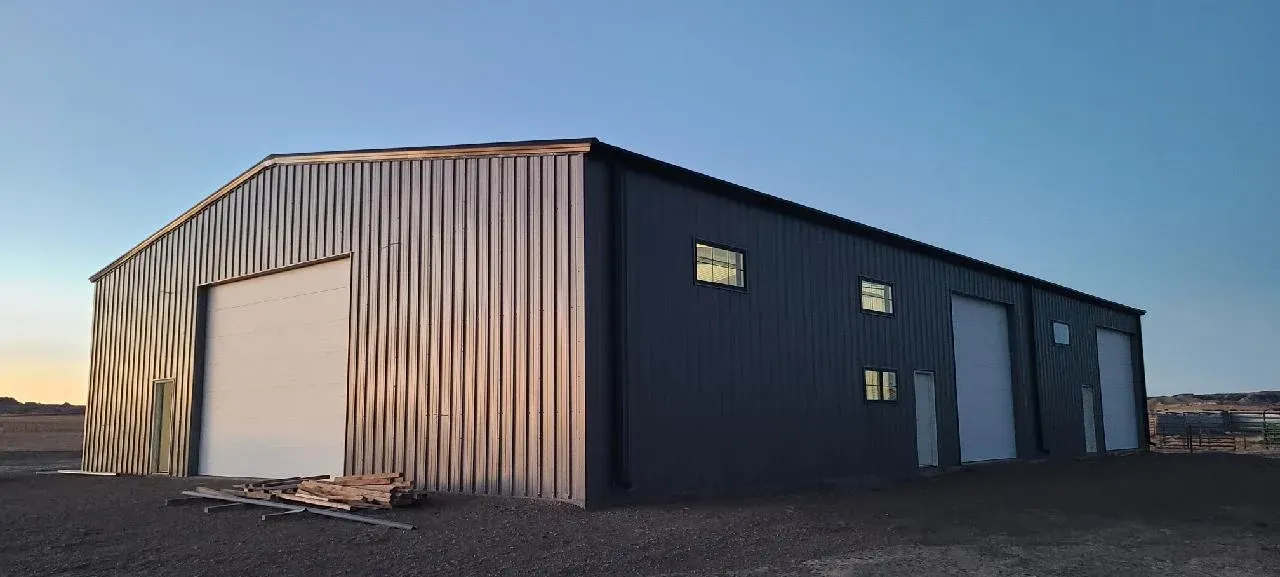
Kessel Construction delivers insulated workshops designed specifically for Hi-Line agricultural operations where winter cold regularly drops below zero and summer heat pushes past ninety degrees. These steel building systems maintain a more consistent interior environment during rapid temperature swings that make traditional uninsulated structures unusable for weeks at a time. Rural property owners across the Chinook area rely on these workshops for equipment maintenance, welding projects, and storage of hydraulic fluids and other temperature-sensitive materials that fail or freeze in extreme conditions.
Insulated workshops use steel framing and paneling with foam core insulation layers that reduce heat transfer during Montana's temperature extremes, creating a workspace where tools remain accessible and equipment repairs can continue through winter without waiting for spring thaw. The insulation also dampens exterior noise from prairie winds that frequently exceed forty miles per hour, allowing for safer use of power tools and better communication during collaborative repair work.
Request a free estimate to discuss workshop dimensions, door configurations, and insulation thickness based on your specific heating and workflow requirements.
What Steel Construction Delivers for Agricultural Workspaces
Steel building systems from Varco Prudent, available exclusively through Kessel Construction in this region, use pre-engineered components that withstand wind loads and snow accumulation common to northern Montana without the warping, settling, or pest damage that affects wood-framed structures over time. The metal skin resists moisture infiltration that leads to rot in traditional barn construction, and the absence of load-bearing interior walls allows for flexible equipment layouts as your operation changes.
After installation, you notice the workshop maintains a stable temperature with less energy input compared to uninsulated metal buildings, and frost buildup on interior surfaces disappears when insulation prevents cold exterior panels from meeting warm interior air. The structure remains square and weathertight through seasonal freeze-thaw cycles that cause wood buildings to shift and develop gaps around doors and windows.
Workshop projects typically include overhead doors sized for tractor access, service doors positioned for workflow efficiency, and electrical systems designed to support welders, compressors, and other high-demand equipment common in farm repair operations. Insulation thickness varies based on whether you plan to heat the space continuously or only during active use, affecting both upfront material costs and long-term energy consumption.
Questions Before Planning Your Workshop Project
Property owners throughout the Hi-Line region ask similar questions when evaluating insulated workshop options for their operations.
What insulation thickness works best for Chinook winters?
Most agricultural workshops use two to three inches of foam core insulation in wall and roof panels, which provides adequate thermal resistance for spaces heated intermittently during equipment repair sessions while keeping material costs reasonable for buildings that may exceed two thousand square feet.
How do steel workshops handle wind loads on exposed prairie locations?
Pre-engineered steel frames are designed to specific wind speed ratings, and installations in northern Montana typically require foundation anchoring systems that resist uplift forces during sustained high winds common to open agricultural land without natural windbreaks.
What door size accommodates modern farm equipment?
Standard overhead doors range from ten to sixteen feet wide, but many operators choose fourteen-foot widths to allow clearance for tractors with front-end loaders and combines during seasonal maintenance without requiring precise alignment during entry.
When should workshop construction start for spring completion?
Steel building projects in Montana ideally begin foundation work in late summer or early fall when soil conditions remain stable, allowing the structure to be enclosed and weathertight before winter weather interrupts construction schedules.
What maintenance does an insulated steel workshop require?
Annual inspections focus on door seals, fastener tightness after seasonal temperature cycling, and verification that roof panels remain secure following heavy snow loads, with most structures requiring only minor adjustments rather than structural repairs over decades of use.
Kessel Construction has served the agricultural community throughout the Chinook area for more than twenty-seven years, understanding the specific demands rural operations place on workshop buildings. Schedule a free consultation to review your property layout, discuss heating options, and develop a workshop plan that supports your equipment maintenance and fabrication needs through every season.